Carpet Cleaning Fort Collins, CO: Tips for Preserving Softness
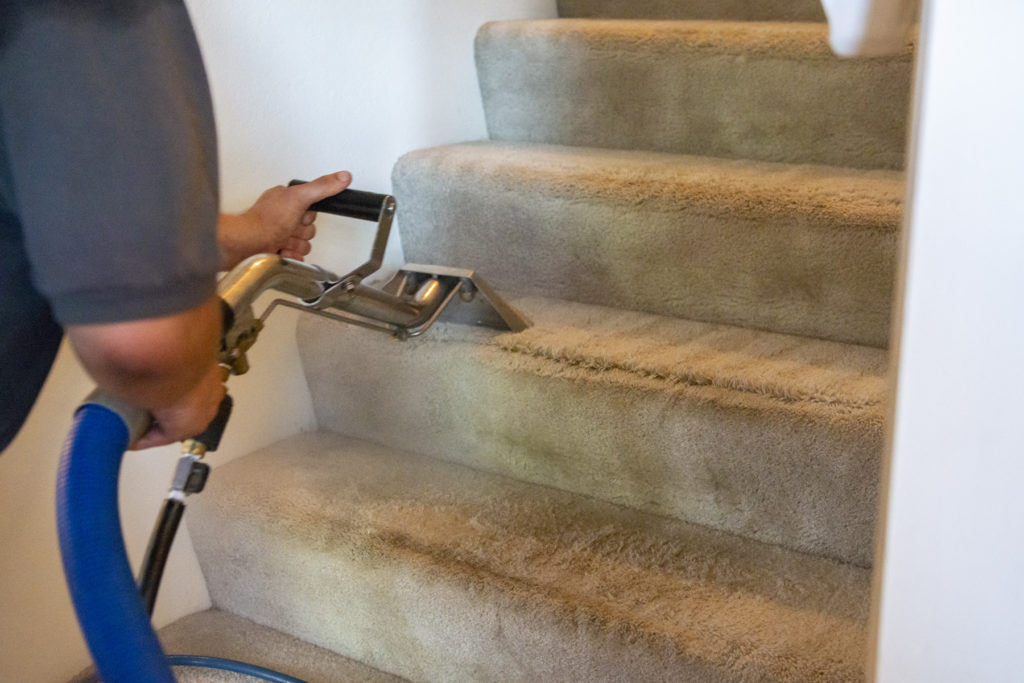


Soft carpet changes the feel of a room more than most people expect. You notice it first thing in the morning, barefoot on the way to the kitchen. You notice it when kids sprawl on the floor with a board game, or when a dog circles three times before settling in for the afternoon. When carpet loses that soft, springy feel, the whole house can seem a little tired, even if it looks clean from across the room.
That matters in Fort Collins. Our homes deal with a particular mix of wear that can be hard on carpet fibers. Dry air, tracked-in grit, winter deicers, mud from spring storms, and the occasional smoke or dust event all take a toll. A carpet can start out plush and forgiving, then gradually feel matted, stiff, or scratchy, even without obvious stains. The good news is that softness is not just about buying premium carpet in the first place. It is also about how you clean it, how often you clean it, and what you leave behind in the fibers after the cleaning is done.
People searching for Carpet Cleaning Fort Collins, CO often start with one goal, removing spots or brightening traffic lanes. Those are fair priorities. But if preserving softness is part of the conversation, the strategy changes a bit. The most effective carpet care is not the harshest, and it is not always the cheapest either. It is usually the method that removes embedded soil without roughing up the pile, soaking the backing, or leaving sticky residue behind.
Why carpet gets rough before it gets dirty
Most homeowners assume softness disappears because carpet is old. Age plays a role, but in practice, loss of softness often comes from accumulation. Tiny abrasive particles settle deep into the pile and act like sandpaper under foot traffic. That is especially common near entryways, hallways, stairs, and the strip in front of a sofa where people plant their heels every evening.
In Fort Collins, this buildup is often subtle. The climate is dry enough that soil can stay loose and dusty instead of visibly muddy. That means grit works its way downward while the surface still looks acceptable. A carpet can be holding a surprising amount of abrasive material before the eye catches up. By then, fibers have already started to flatten.
Residue is the second major culprit. Some over-the-counter carpet shampoos leave a tacky film if they are not thoroughly extracted. Certain spot cleaners do the same. Even a product marketed as gentle can make the carpet feel crunchy once it dries if too much is applied or if rinse extraction is weak. I have seen carpets that were technically stain-free but felt worse after repeated consumer shampooing because the fibers had become coated. They attracted soil faster, and every pass across the room pressed that soil back into the pile.
Then there is moisture. Overwetting does not just raise drying time. It can distort texture, especially when the carpet backing stays damp for too long. Fibers clump, the nap dries unevenly, and the result feels coarse rather than plush. In some cases, homeowners think they need a softer chemical when what they really need is better moisture control and stronger extraction.
The Fort Collins factor
Regional conditions shape carpet care more than people realize. Fort Collins homes often deal with a blend of outdoor recreation, changing seasons, and low indoor humidity. That combination creates a few predictable patterns.
Dry air can make synthetic fibers feel less supple than they do in more humid climates. That does not mean the carpet is damaged, but it can make roughness more noticeable. At the same time, low humidity helps fine dust circulate and settle. If you have a home near open space, bike trails, construction, or unpaved shoulders, your carpet is probably catching more particulate matter than you think.
Winter adds another layer. Snowmelt and slush carry in fine minerals and deicing compounds. Once that dries, the residue can stiffen fibers and dull the finish. Spring, meanwhile, tends to bring mud, pollen, and intermittent moisture. Summer often means more foot traffic from kids, pets, and guests moving in and out. By fall, carpets have taken a full year of pressure and may still look decent enough to postpone service, even though the feel underfoot has changed.
That is why Carpet Cleaning Fort Collins, CO should not be treated as a once-a-year cosmetic appointment alone. In this market, preserving softness depends on interrupting the cycle before soil and residue compact the pile.
The cleaning method matters more than the marketing
A lot of confusion comes from labels. Deep clean. Low moisture. Fast dry. Encapsulation. Steam clean. Shampoo. These terms get used loosely, and some of them are used in ways that are more promotional than technical.
For softness, the main objective is straightforward. You want suspended soil removed from the fibers and the backing without leaving behind significant detergent residue or excess moisture. Hot water extraction, when performed correctly, often does that best. The phrase “steam cleaning” is commonly used, though true steam is not what cleans most residential carpet. In a proper hot water extraction process, preconditioning loosens soil, agitation helps release it, and strong vacuum extraction removes both the soil and much of the moisture. When the rinse is balanced and the extraction is thorough, carpet usually dries clean, less sticky, and softer.
Low-moisture methods have their place. They can be useful for maintenance cleaning, lightly soiled areas, or settings where very quick dry times matter. But they are not automatically gentler. If a low-moisture method relies heavily on product and does not fully remove accumulated soil, the carpet may look brighter for a short time while still feeling compacted. That is the trade-off. Fast is not always restorative.
Shampoo-heavy methods are where softness often takes a hit. Foam can make a carpet look refreshed in the short term, but if the process does not include a solid rinse and extraction phase, softness tends to decline with repeat cleanings. The fibers hold onto detergent. Soil returns faster. Traffic lanes flatten sooner.
A reputable cleaner should be able to explain not just what method they use, but why it suits your carpet type, your household, and the current level of soiling. That answer tells you more than any coupon ever will.
Softness starts before the machine turns on
The most important part of professional carpet cleaning is often the least glamorous: dry soil removal. Vacuuming is not an afterthought. It is the first real stage of a successful cleaning.
If large amounts of dry particulate remain in the carpet before wet cleaning begins, the process turns messy fast. Soil binds with moisture, sinks deeper, and becomes harder to extract. The technician then has to compensate with more passes, more chemical, or more time. None of those choices necessarily improves softness.
In homes with pets or heavy traffic, careful pre-vacuuming and pile lifting can make a visible and tactile difference. That is especially true in matted zones near beds, under desks, and along hallways. I have walked into homes where the owner thought the carpet fibers were permanently damaged, only to see a significant rebound after proper dry removal, targeted agitation, and a clean rinse. Not perfect, because some wear is permanent, but far better than expected.
Spot treatment also matters. Strong spotters are useful tools, but they should stay targeted. Soaking a stain with retail product night after night often spreads residue beyond the original mark. The spot may fade while the area around it stiffens or resoils. A precise treatment with controlled dwell time is much safer for texture.
The habits that preserve softness between cleanings
You do not need an elaborate routine to keep carpet soft, but you do need consistency. Most softness problems build slowly. That is actually encouraging, because small maintenance habits usually work.
Here are the most effective ones for busy Fort Collins households:
- Vacuum high-traffic areas at least twice a week, and slower than you think you need to. Fast vacuuming skims the top. Slow passes let the machine lift grit from deeper in the pile.
- Treat spills with restraint. Blot first, use less product than the label suggests, and avoid saturating the area. More cleaner rarely means a better result.
- Use entry mats at every active exterior door, especially during snow, rain, and shoulder seasons. Good mats catch a large share of abrasive soil before it reaches the carpet.
- Rearrange traffic patterns where possible. Rotating a rug, moving a side table, or changing the path around a bed can prevent one lane from compacting faster than the rest.
- Schedule professional cleaning before the carpet looks terrible. Restoring softness is easier when fibers are dirty and compressed, not yet worn down.
That last point is often the one people resist. Understandably so. If the carpet still looks passable, paying for cleaning can feel premature. But softness is one of the earliest signs that dirt load is getting ahead of you. Waiting until the carpet is visibly dingy usually means you are also waiting until compaction is harder to reverse.
Fiber type changes the game
Not all carpet responds the same way. Nylon, polyester, triexta, wool, and blended fibers all have distinct personalities. If softness is your goal, it helps to know what is under your feet.
Nylon is durable and resilient, which is why it shows up in so many family homes. It can bounce back well with proper cleaning, especially in traffic lanes, but it also benefits from regular maintenance because embedded grit can abrade the fiber over time. When nylon starts feeling harsh, it is often a sign of soil load and abrasion rather than just age.
Polyester is known for softness and color clarity. It feels pleasant underfoot, but depending on the construction, it can crush more easily in busy areas. Cleaning can revive it to a point, though some flattening is more about structure than soil. That is one of those judgment calls worth making honestly. No cleaning method can turn a lower-density plush into a new carpet again.
Wool feels luxurious, but it needs a more careful hand. High alkalinity, too much agitation, or excessive moisture Carpet Cleaning Fort Collins, CO can damage it. A wool carpet can lose some of its lovely hand if cleaned too aggressively. On the other hand, when wool is maintained correctly, it often retains a beautiful softness for years.
Then there is padding and construction. Sometimes what homeowners describe as roughness is really compression from below. If the pad is tired or the carpet has low face weight, cleaning will help with cleanliness and appearance, but softness has a limit. The best professionals explain that without overselling miracles.
Common mistakes that make carpet feel worse
A lot of softness problems come from good intentions paired with poor technique. I see this most often after DIY machine rentals or repeated spot-cleaner use.
Rental units can work for minor refreshes, but they tend to have one built-in weakness: limited extraction compared with professional equipment. People often compensate by making extra wet passes or adding more detergent. The carpet comes out looking improved for a few days, then dries slowly and feels stiff. In some rooms, there is also a faint musty smell because the backing stayed damp too long.
Another common issue is soap stacking. A spill gets treated with one product. A pet accident gets another. A traffic lane gets Carpet Cleaning Fort Collins, CO foamed with a shampoo. Weeks later, a rented machine goes over the same areas. Each step leaves a little behind. The carpet starts attracting soil aggressively, and the owner blames the fiber when the real problem is chemistry buildup.
Heat can also be mishandled. Very hot water is not automatically better. On the right carpet with the right soil load, heat helps. On some fibers, with certain stains, too much heat can set problems or alter texture. The better approach is calibrated cleaning, not brute force.
Watch for these red flags after any cleaning, whether DIY or professional:
- The carpet feels sticky or slightly tacky once dry.
- Traffic lanes look good for a week, then darken unusually fast.
- The room smells damp longer than a day.
- Fibers feel crunchy when brushed by hand.
- Furniture dents and matted areas seem sharper after cleaning, not softer.
Those signs usually point to residue, overwetting, incomplete extraction, or some combination of the three.
Drying is part of cleaning
People tend to think cleaning ends when the technician packs up hoses. It does not. Drying is where the final texture gets decided.
Carpet that dries promptly usually feels better. Carpet that lingers damp tends to dry flatter and stiffer. Air movement matters more than most homeowners realize. Ceiling fans, HVAC circulation, open interior doors, and, when weather allows, cross-ventilation all help. In winter, the air in Fort Collins is often dry enough to support quick drying, provided the cleaning was not too wet. In summer during monsoon stretches, indoor airflow becomes more important.
Post-cleaning foot traffic should also be managed. Light walking with clean socks is usually fine once the carpet is only slightly damp, but heavy use right away can press fibers down before they fully recover. If you want that softer finish, giving the carpet a little breathing room helps.
Some cleaners groom the pile after extraction, and when done properly, that is a useful touch. Grooming can reset the nap, reduce wand marks, and promote more even drying. It will not disguise damage, but it can improve the final hand of the carpet.
Choosing a service with softness in mind
When homeowners shop for Carpet Cleaning Fort Collins, CO, the lowest headline price often wins attention first. That is understandable, but softness is one of the easiest qualities to sacrifice when a service cuts corners. The trouble is you may not notice the downside until a few days later.
The better questions are practical. Do they pre-vacuum if needed? Do they ask about fiber type? Do they explain drying expectations honestly? Do they use a rinse that reduces residue? Are they willing to talk through pet treatment separately instead of flooding the area? A cleaner who can answer those questions clearly is usually focused on results, not just speed.
Experience shows up in small decisions. A seasoned technician knows when to make extra dry passes instead of another wet pass. They know when a heavily spotted area needs controlled treatment and when it needs restraint. They know that a busy family room and a lightly used guest room should not be cleaned as if they are the same surface. That kind of judgment is what preserves softness over time.
When softness cannot be fully restored
It is worth saying plainly that not every rough carpet can be brought back to plush condition. Wear is real. Once fibers are frayed, split, melted, or permanently crushed, cleaning cannot reverse the physical damage. Sun exposure can make some fibers brittle. Cheap builder-grade carpet may lose body early, even with decent care. Pet traffic in the same lane year after year can create permanent texture change.
Still, many carpets that feel “worn out” are actually just burdened by soil and residue. The difference matters. A professional assessment can often tell you whether you are dealing with contamination, compaction, or true fiber wear. If it is the first two, a well-executed cleaning may buy you meaningful extra life and a much better feel underfoot. If it is the third, honesty is more valuable than false hope.
A softer carpet is usually a cleaner carpet, but not always
That distinction surprises people. Cleanliness and softness usually overlap, but they are not identical. A carpet can be visually clean and still feel rough if the fiber is worn or the humidity is extremely low. It can also feel temporarily soft because of residue or fabric softening agents, even though that softness will backfire by attracting more soil later.
The best outcome is a carpet that feels naturally soft because the fibers are free of grit, properly rinsed, and dried without stress. That kind of softness lasts longer and performs better. It is not slick or artificially perfumed. It just feels right underfoot.
For Fort Collins homeowners, that usually comes down to timing, technique, and a little restraint. Clean before heavy buildup wins. Use methods that prioritize extraction. Avoid over-applying spot products. Respect drying time. And choose professionals who understand that comfort is not just about appearance, it is about what the carpet feels like every day when no one is looking at it.
A carpet does not have to be brand new to feel good again. Often it just needs the kind of cleaning that removes what is making it hard in the first place. That is the real goal behind Carpet Cleaning Fort Collins, CO when softness matters, not simply a brighter room, but a surface that still welcomes you in.
TLC Carpet & Air Duct Cleaning
921 E Prospect Rd, Suite C
Fort Collins, CO 80525
(970) 352-8176
FAQ About Carpet Cleaning Fort Collins, CO
What is the best time of year to clean carpets in Fort Collins, CO?
Choose a day when you can give the carpet time to dry and keep foot traffic low. Ventilation and indoor humidity can matter more than the season.
How long will my carpet take to dry after cleaning?
Drying time varies with the carpet, cleaning method, humidity, and airflow. Ask the technician for an estimate and when to move furniture back.
How do I prepare my home for carpet cleaning?
Pick up small items, clear a path for equipment, and point out stains or delicate fibers. Ask the cleaner which furniture they can move and what needs to be moved before the visit.